 Cart is empty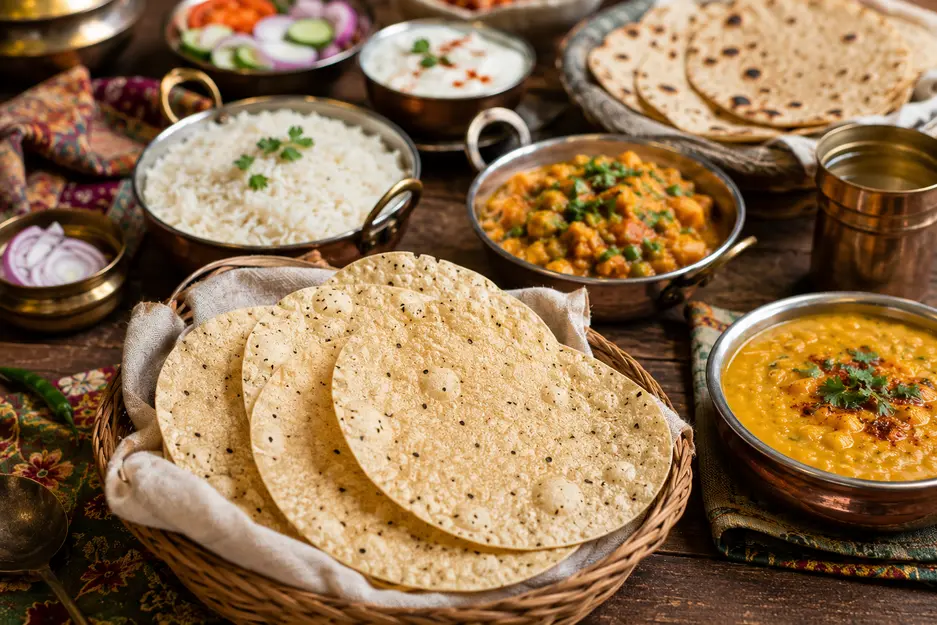
Papad is more than just a crispy side dish. For generations, it has been a familiar part of dining tables across South Asia, bringing flavor, texture, and tradition to everyday meals. Whether served with daal chawal, biryani, curry, or festive thalis, papad has earned a special place in the region’s food culture.
But how did this simple, thin, and crunchy food become such an important part of South Asian dining traditions?
Let’s explore the fascinating journey of papad through history, culture, and everyday life.
The Humble Origins of Papad
The history of papad dates back centuries. Traditionally made from lentils, spices, and simple household ingredients, papad was developed as a practical way to preserve food for longer periods.
Families would prepare papad in large batches, especially during warmer months. The papad would be rolled into thin discs and sun-dried, allowing them to be stored and enjoyed throughout the year.
What started as a preservation technique gradually became a beloved food enjoyed by people of all ages.
A Tradition Passed Down Through Generations
One reason papad remains popular today is its strong connection to family traditions.
In many South Asian households, papad-making was once a community activity. Family members gathered together to prepare dough, roll papad, and dry them under the sun.
These traditions were passed from one generation to another, helping preserve authentic recipes and techniques.
Even today, many people associate papad with childhood memories, family meals, and traditional home cooking.
Why Papad Became So Popular
Several factors contributed to papad’s popularity across South Asia.
Simple Ingredients
Papad is traditionally made using ingredients that are commonly available in households, such as:
- Urad dal
- Moong dal
- Salt
- Spices
- Herbs
Its simplicity made it accessible to families across different regions.
Long Storage Life
Before modern refrigeration, sun-dried foods played an important role in food preservation. Papad could be stored and used whenever needed, making it a practical household staple.
Easy Preparation
Papad can be roasted, fried, or microwaved within minutes, making it a convenient addition to meals.
The Perfect Companion to South Asian Meals
Papad is rarely the main dish, yet it often becomes one of the most memorable parts of a meal.
Its crispy texture creates a pleasant contrast to soft foods such as:
- Daal chawal
- Biryani
- Khichdi
- Curries
- Vegetable dishes
The satisfying crunch enhances the overall dining experience and adds variety to every bite.
Papad Across Different South Asian Countries
Although papad is enjoyed throughout South Asia, each region has developed its own variations.
Pakistan
Papad is commonly served with daal, rice dishes, and family meals. Many households enjoy spicy and homemade varieties.
India
India offers a wide range of papad varieties made from different lentils and spices. Regional recipes often vary in flavor and thickness.
Bangladesh
Papad is frequently enjoyed as a snack or as an accompaniment to traditional meals.
Nepal and Sri Lanka
Papad also appears in local cuisines, often served with rice-based dishes and festive meals.
Despite regional differences, the love for papad remains remarkably similar across South Asia.
From Traditional Kitchens to Modern Dining Tables
While lifestyles have changed significantly over the years, papad has successfully adapted to modern kitchens.
Today, families can enjoy homemade-style papad without spending hours preparing and drying it themselves.
The demand for authentic, preservative-free foods has also encouraged consumers to seek products that preserve traditional flavors while offering modern convenience.
More Than Just a Side Dish
Papad has evolved beyond its role as a meal accompaniment.
Today, it is used in:
- Masala papad
- Papad chaat
- Party appetizers
- Evening snacks
- Fusion recipes
Its versatility continues to make it relevant for both traditional and modern dining.
Why Papad Remains Popular Today
The popularity of papad continues because it offers a combination of:
- Tradition
- Convenience
- Flavor
- Texture
- Versatility
Few foods have managed to remain relevant across so many generations while maintaining their authentic identity.
Frequently Asked Questions (FAQs)
What is papad made from?
Papad is commonly made from lentil flour such as urad dal or moong dal, combined with spices and seasonings.
Why is papad so popular in South Asia?
Papad is affordable, easy to prepare, versatile, and deeply connected to regional food traditions.
Is papad only served with meals?
No. Papad can also be enjoyed as a snack or used in various recipes and appetizers.
How has papad changed over time?
While traditional preparation methods remain popular, modern production has made papad more accessible while preserving its authentic taste.
A Tradition That Continues to Bring Families Together
From traditional kitchens to modern dining tables, papad has remained an important part of South Asian food culture. Its rich history, versatility, and timeless appeal have helped it earn a permanent place in family meals across generations.
At DesiNacks, we continue this tradition by preparing homemade papad inspired by authentic recipes and flavors that families have loved for decades.
Add a Comment